
Ask the Experts: College Admissions Insight & Advice

In our Ask the Experts column, we answer the questions students and parents are asking right now—from building a compelling extracurricular profile to navigating Early Decision strategy, crafting standout essays, selecting the right recommenders, and positioning for highly selective colleges.

Q&A with Jane: Inside Command Education’s Dual-Expertise Mentorship Model
It’s a persistent myth about college admissions that getting in is mostly about optimizing a formula—many families assume that the right number of APs, the right leadership titles, a flashy internship, a standout passion project, and a rigorous summer program will translate into an acceptance. But the “holistic review” that has become ubiquitous in admissions […]
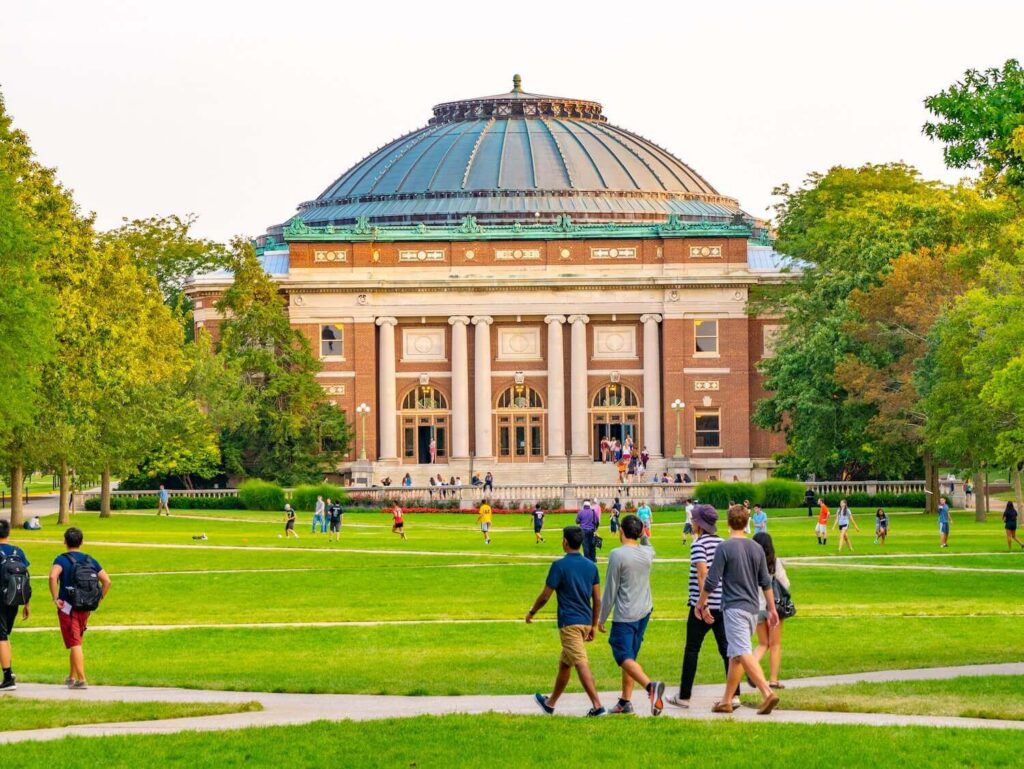
Q&A with BT: How Students Can Make The Most of College Visits
College visits can be as daunting as they are exciting. Spending time on campus can reveal that a school that looked perfect on paper actually isn’t the right fit, illustrate what an average day on campus at a student’s dream school looks like, or reveal a “hidden gem” on their college list they didn’t expect. […]

Q&A with Kelly: How Our Mentors Empower Students for Early Admissions Success
In recent years, early admissions pathways have become increasingly popular amongst admissions offices at top universities and motivated students alike. Early decision and early action pools can significantly increase colleges’ yield rates and address institutional priorities early in the application cycle, making early applicants particularly desirable at top schools. Likewise, students with a clear sense […]
Looking for More Personalized, High-Level Strategy?
Schedule a complimentary call today to discover how dedicated mentorship can empower your child to reach their full potential.
Q&A with Charlotte: How Command Helps Students Build Their Perfect College List
The balanced college list is the foundation on which a student’s entire application experience is built. The list of schools to which a student chooses to apply influences everything from how they tackle the supplemental essays to how they spend their senior year and ultimately, where they will spend four formative years of their life. […]

Q&A with Sean: Getting Started With Command
Choosing the right college consulting firm is one of the most important investments a student and family can make toward their academic and professional goals. But as the college consulting industry has exploded over the last decade, families have more options than ever before. From independent counselors to large global firms, local advisors, and online […]

Q&A with Ian and Jen: Exceptional Support Leads to Exceptional Results
Excelling in the college admissions process requires so much more than polished essays and flattering recommendation letters. It takes time, strategy, and introspection to cultivate the core qualities that top schools are looking for and develop a standout applicant profile. This means that top-tier support in the college admissions process is not limited to a […]

Q&A with Sam: How Command Education Helps Students Stand Out to Brown Admissions Committees
Known for its open curriculum, emphasis on student-driven learning, and collaborative environment, Brown attracts students who are not only high achievers but also independent thinkers passionate about forging their own paths. From the Brown/RISD Dual Degree Program to the signature Program in Liberal Medical Education, Brown’s world renowned offerings and distinct pedagogical approach distinguish it […]

Q&A with Ibrahim: How Command Education Helps Students Make Summer Plans that Will Impress Ivy League Admissions Officers
Summer break is not just a time to kick back with friends or read mystery novels on the beach—for high school students, the summer months are a critical opportunity to deepen your knowledge, develop new skills, and develop an application profile that will wow admissions officers. Whether launching a passion project, volunteering, taking a class, […]

Q&A with Josiah: Command Education’s Unique College Admissions Expertise
Command Education’s pioneering approach to the college admissions process provides students with individualized, one-on-one guidance from a near-peer mentor. As recent graduates of Ivy League and other top colleges, our near-peer mentors are uniquely equipped to help students excel in the rapidly changing world of elite college admissions. At the same time, many parents want […]

Q&A with Ethan: How Our Senior Mentors Help Students Develop Their Hook in Law
Unlike pre-med and other pre-professional programs, which have set curricular requirements for applicants, pre-law undergraduate programs and law schools accept students with an array of academic backgrounds and interests. One of the most common challenges for students interested in pursuing a career in law lies in choosing one of the many paths they may take […]

Q&A with Aaron: How Command Education Senior Tutors Help Low-Scoring Students Reach Their Goals
Sitting for the ACT or SAT for the first time can be daunting—the precise timing, comprehensive range of material, and pressure to perform can be a particularly anxiety-inducing combination for students who struggle with test-taking. And receiving a score far lower than anticipated often results in even greater stress and aversion to the test. However, […]

Q&A with Senior Designer Ashley: How Command Education’s In-House Marketing Team Supports Students
Command Education Senior Mentors provide students with the one-on-one, personalized support they need to build compelling applicant profiles throughout their high school careers—but that is not all that Command Education does to support its students. While our students can expect consistent, unlimited guidance from their Senior Mentors, they can also rely on an entire team […]

Breaking Down Ivy Day 2026: A Conversation with a Command Education Director of Mentoring
Last week, students around the world refreshed their inboxes as Ivy League and top college admissions decisions were released in the annual tradition known as “Ivy Day.” As acceptance rates fluctuate, the political landscape shifts, and applicant pools swell, Ivy Day results can leave families with more questions than answers. Particularly for students earlier in […]

Q&A with Ibrahim: Passion Projects at Command Education
In the competitive landscape of elite college admissions, students and parents are often inundated with advice about how to stand out from the crowd. Increasingly, college consultants are touting the importance of independent projects for students’ applicant profiles, emphasizing their role in demonstrating a student’s commitment, creativity, and leadership skills. However, Command Education takes a […]

Q&A with Kailee: How Command Education Senior Tutors Motivate Students
For many students, standardized testing is one of the most daunting and anxiety-inducing aspects of the college admissions process. Beyond the intimidation that comes with taking the test, understanding how to select the right test for you, setting manageable yet ambitious goals, and strategizing for score improvements can all present challenges in their own right. […]

Q&A with Arthur: You’re Probably Not Bad at Math
“I’m not a math person.” If you’re a high school student, you have probably heard your friends say this—or you have said it about yourself. Math is an academic subject that can elicit dread, anxiety, and frustration, and many students who struggle in math classes convince themselves from a young age that they’re simply “not […]

Q&A with Fatima: What Can You Expect From Command Education Tutoring?
Stellar test scores lay the foundation for success in the world of elite college admissions, and Command Education’s expert Senior Tutors are committed to helping students earn their ideal scores. However, test-taking anxiety, hectic academic schedules, and general uncertainty about the test-taking process often leave students with doubts about whether tutoring is right for them. […]

Q&A with Aaron: How Command Education Prepares Families for the Changing SAT/ACT Landscape
In the last five years, the college admissions landscape has seen seismic changes, and some of the most significant have concerned standardized testing—from ever-evolving testing requirements to the digitization of the ACT and SAT to changing test lengths and rigor. Given that standardized tests remain an important part of the admissions process (and are returning to their pre-Covid prominence), adapting to […]

Q&A with Yibiao: How Command Education Helps Students Develop Their Music Hook
Should you attend a conservatory or aim for a music program at a top school? From choosing the right path to pursue their music dreams, finding the best fit program, building a portfolio, and preparing for auditions, going through the college admissions process as a music student can be complicated and daunting. Every admissions cycle, […]

Insider Advice from Senior Mentor Kelly: How to Wow Admissions Officers with Your Common App Essay
The Common App essay (also known as the Personal Essay or Personal Statement) is one of the most crucial components of the college application. As the most extensive opportunity for students to share their unique voice directly with admissions officers, a standout essay should showcase an applicant’s thoughtful introspection, creative perspective, and unique voice. But what exactly […]

Q&A with Command Education Senior Mentors: What Students Interested in STEM Should Be Doing This Summer
As you take down the holiday decorations, shovel snow from the driveway, and kickstart the new year, summer may feel like the distant future. But if you are a high school student interested in pursuing a STEM (Science, Technology, Engineering, and Mathematics) major, the time to start planning your summer activities is now. Whether you dream […]

Q&A with Jesse: How Command Education Helps Students Earn Acceptance to NYU
Located in the heart of one of the world’s most dynamic cities, New York University offers students unparalleled opportunities to engage with diverse cultures, cutting-edge ideas, and global perspectives. NYU has become one of the most sought-after universities in the country, with admissions rates plummeting to historic lows in the last few admissions cycles. Given its growing selectivity, […]

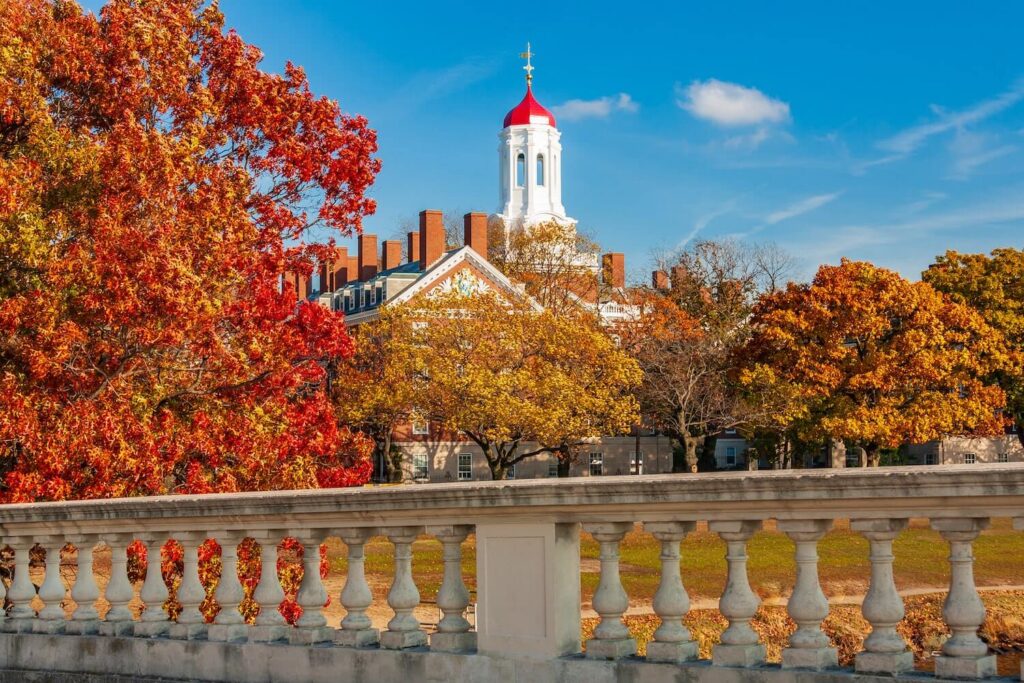
Q&A with Jane: How Command Education Helps Students Get Into Harvard
With their single-digit acceptance rates, world-renowned programs, and distinguished faculty, Ivy League schools are some of the most desirable universities in the world. While many students and parents view these prestigious schools as a singular bloc, it is critical to recognize that each Ivy League institution has its own distinct culture, programs, offerings, and campuses—and […]

Q&A with Min: How to Stand Out to Harvard Business School
Top business schools like Harvard Business School, Stanford Graduate School of Business, and UPenn Wharton are among the most competitive graduate programs in the world. Given that they each receive nearly ten thousand applicants each admissions cycle, applicants must take a long-term and strategic approach to standing out and distinguishing themselves from other experienced and highly qualified […]

Q&A with Lauren: How Command Education Senior Mentors Help Students Earn Admission to Dartmouth
Dartmouth College offers one of the most unique and tightly-knit communities in the Ivy League. Nestled in Hanover, New Hampshire, Dartmouth is known for its small student body, strong undergraduate focus, and innovative D-Plan, which allows students to structure their own academic journeys through flexible, year-round scheduling. Given this distinctive culture and curricular approach, the university […]

Q&A with Sam: How Command Education Senior Mentors Make Students’ Columbia Dreams a Reality
Nestled in New York City’s Morningside Heights neighborhood, Columbia University is distinguished amongst its Ivy League peers for its urban campus, rigorous Core Curriculum, and its socially engaged and intellectually curious student body. Yet with a 3.85% admissions rate in the 2023–24 admissions cycle, Columbia is one of the most competitive universities in the nation. Standing out to Columbia admissions […]

Q&A with Kyle: How to Level Up Your Transcript—And Prepare for College Academics
Students often think about their transcript and GPA in light of one thing: the college admissions process. The stress of achieving and maintaining a 4.0, enrolling in AP and other advanced courses, and seeking out private tutoring stems in large part from students’ anxiety about standing out in the competitive admissions landscape. On the one […]

Q&A with Jin: What to Expect from a Tutoring Session at Command Education
Command Education Senior Tutors work one-on-one with students to not only create tailored lesson plans that align with their needs and learning styles, but also make learning enjoyable and exciting. Many students and parents want to know what this personalized approach looks like in practice—what will I do with my Senior Tutor? How will they make learning more […]

Q&A with Giovanni: How Students Can Improve Their Reading Comprehension
Reading comprehension is one of the most essential—and often insufficiently practiced—skills in a student’s academic toolkit. Whether you’re preparing for the ACT or SAT or simply trying to stay on top of schoolwork, strong reading skills are a critical foundation for academic success across disciplines. Owing in large part to learning gaps in their elementary and middle […]

Q&A with Lauren: How Command Education Helps Students Transfer into Their Dream School
For many students, the college admissions process doesn’t end after senior year of high school. Some discover that the campus community they’ve joined isn’t the right fit for them; others find that their interests have shifted and their current school doesn’t offer the major they want to pursue; others discover that the program they’re enrolled in doesn’t […]
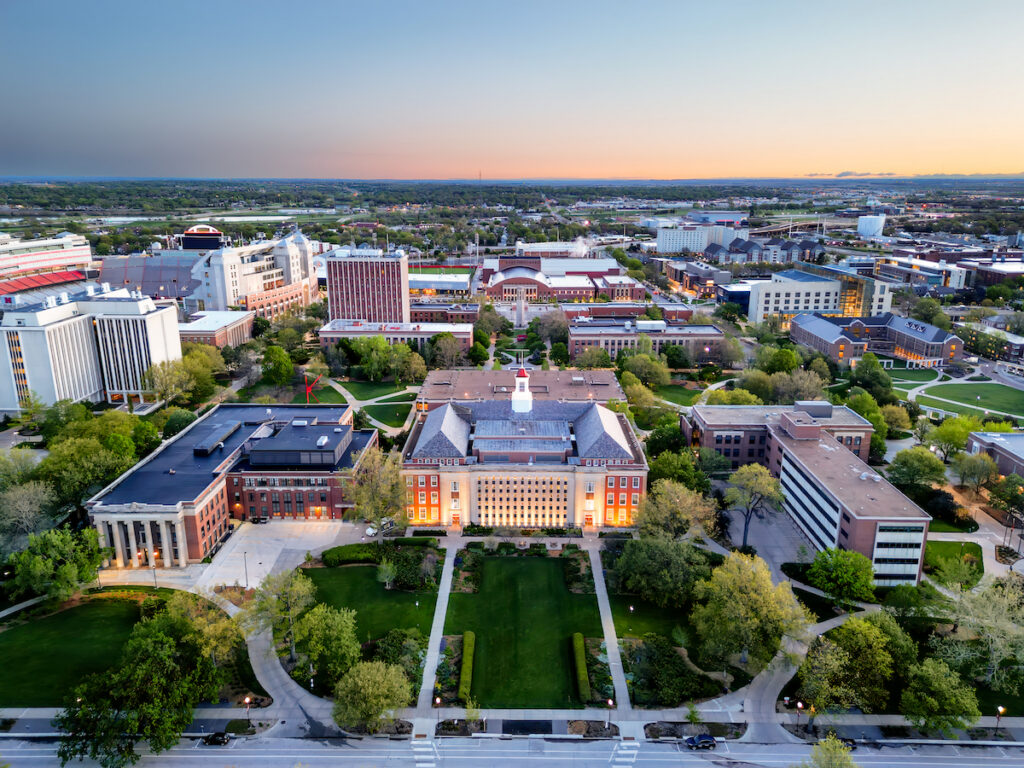
Cornell Q&A with Michael: How Command Education Helps Students Earn Admission
Cornell University was founded on its namesake, Ezra Cornell’s principle: “I would found an institution where any person can find instruction in any study.” As such, the university prides itself on fostering a diverse and inclusive learning environment where students can explore a wide range of disciplines. This commitment to academic freedom and intellectual curiosity has defined the […]

Q&A with Vincent: How Our Senior Mentors Help Students Develop Executive Functioning Skills
Many students and parents assume that excelling in the college application process begins with assembling a balanced college list, drafting strong essays, or compiling an Activities List that reflects their core interests. In reality, these steps are the capstone—not the foundation—of a successful application. Rather than last-minute passion projects or flashy summer activities, what sets students apart […]

Q&A with Ellen: How to Stand Out as a PreMed Applicant
Pre-med is one of the most rigorous pre-professional paths that students can pursue. According to one study, only 16.5% of students who intended to complete their degree with the coursework necessary to attend medical school do so, as more challenging courses weed out thousands of students from competitive programs. Given the significant challenge of both keeping up […]

Q&A with Josiah: How Command Education Helps Students Turn Their Princeton Dreams into Reality
With the title of #1 university in the U.S. and an applicant pool of nearly 40,000 students in the 2022–2023 cycle, Princeton University is one of the most sought-after schools in the nation—and the world. Notoriously tight-lipped regarding its acceptance rates and other admissions statistics, the institution’s prestige, academic rigor, and reputation have only increased students’ desire to join its vibrant […]

Q&A with Josh: Turn Your Weird Hobby into a Memorable College Application
Many students assume that admissions officers only value academic endeavors—that challenging coursework, studious extracurriculars, independent research, and academic summer programs are the sum total of what admissions officers want to see. These activities can demonstrate a student’s academic preparedness—an important element of admissions considerations—but they are far from being the only or most important factor […]

Q&A with Ellen: Should I Join Greek Life in College?
One of the most exciting—and intimidating—aspects of the transition to college is cultivating a social life on campus. One of the best ways for new college students to meet people and get involved in their community is through Greek life: fraternities and sororities on college campuses. While these organizations can offer students networking opportunities and […]

Q&A with Ian: How Command Education Helps Current College Students Excel
For many students, an acceptance letter from their dream school seems like the destination—it represents the culmination of years of hard work, planning, and preparation. But an acceptance is really just the beginning of a student’s college journey. With this exciting new season of life comes new challenges, as students must learn to navigate the […]

Q&A with Ethan: How to Get Into Babson College
A small, private liberal arts college outside of Boston, MA, Babson College has garnered national attention in recent weeks after ascending to the #2 spot in The Wall Street Journal’s 2026 Best Colleges in America Rankings. The college’s quick upshot in the rankings is largely due to changes in the WSJ’s methodology that placed greater emphasis on student outcomes […]

Q&A with Ibrahim: How Command Education Helps Students Stand Out in College Admissions Interviews
Standing out in the college application process requires students to effectively tell their stories and convey their unique perspectives through their application materials. In addition to the essays, letters of recommendation, and Activities List, many top schools offer students another critical avenue to showcase their personalities: college admissions interviews. Whether a pre-recorded video, Zoom or phone call, […]

Q&A With Erin: How the College Admissions Process Has Changed
Many parents assume that they are well-equipped to coach their children through the college admissions process. Some have navigated the process with an older child, and others attended an elite college themselves—so they think, how hard can it really be? Yet the last five years have seen seismic shifts in higher education, and many parents […]
Q&A with Michael: How Command Education Helps Students Earn Admission to UPenn
Located in the historically and culturally rich city of Philadelphia, the University of Pennsylvania is unique amongst the Ivy League schools for its urban campus, world-renowned programs in business and law, and its storied history which traces back to Benjamin Franklin. Ranked the #7 university in the nation by U.S. News and World Report, Penn’s […]

Q&A with Lindsay: How Our Mentors Help Students Earn Admission to Yale
Command Education Senior Mentors help students from all over the world level up their applicant profiles and earn admission to their dream schools. While we work with students who have a wide array of aspirations—some dream of attending a small liberal arts college, while others see themselves at a large state school—the majority of students’ […]

Q&A with VP of Mentorship Strategy Josiah: What Students Can Expect
The college admissions landscape is more complex and competitive than ever before, and many students are seeking the expert guidance of a private college consultant to give their application a competitive edge. While the right college consultant will help you level up your application and stand out to your dream school, many students have hesitations […]

Q&A with SVP of Enrollment Ali: Finding Our Students' Mentor Match
Command Education is dedicated to empowering students to achieve their academic and personal goals through one-on-one mentorship from our expert team. Our mentors are more than just college admissions consultants—they work closely with students to help them discover their passions, enhance their skills, and earn admission to the college that is the right fit for […]

Q&A with Matt: Volunteering as a High School Student
Volunteering can be one of the most rewarding and effective ways for high school students to explore their interests, contribute to their communities, and strengthen their college applications. While many students assume that they need to volunteer on a grand scale by participating in or launching a volunteer effort with global impact, the most impactful […]

How Our Senior Mentors Help Students Find Their Hook in Business: Q&A with Ian
The process of developing a Wharton-worthy resume begins freshman year of high school. Business is a broad and diverse field, and top programs are seeking to admit students who will use their passion for business to solve real-world problems. Honing your particular hook in business, as well as demonstrating your background in applying business acumen […]
Comprehensive Resources from Our Experts

Common App 101: Activities List & Honors

How to Write a Letter of Continued Interest

Easiest Schools to Transfer Into Based on Admission Rates

How to Start a Club at your School

Letter of Recommendation Brag Sheet Guide

How to Write an Outstanding Letter of Recommendation